
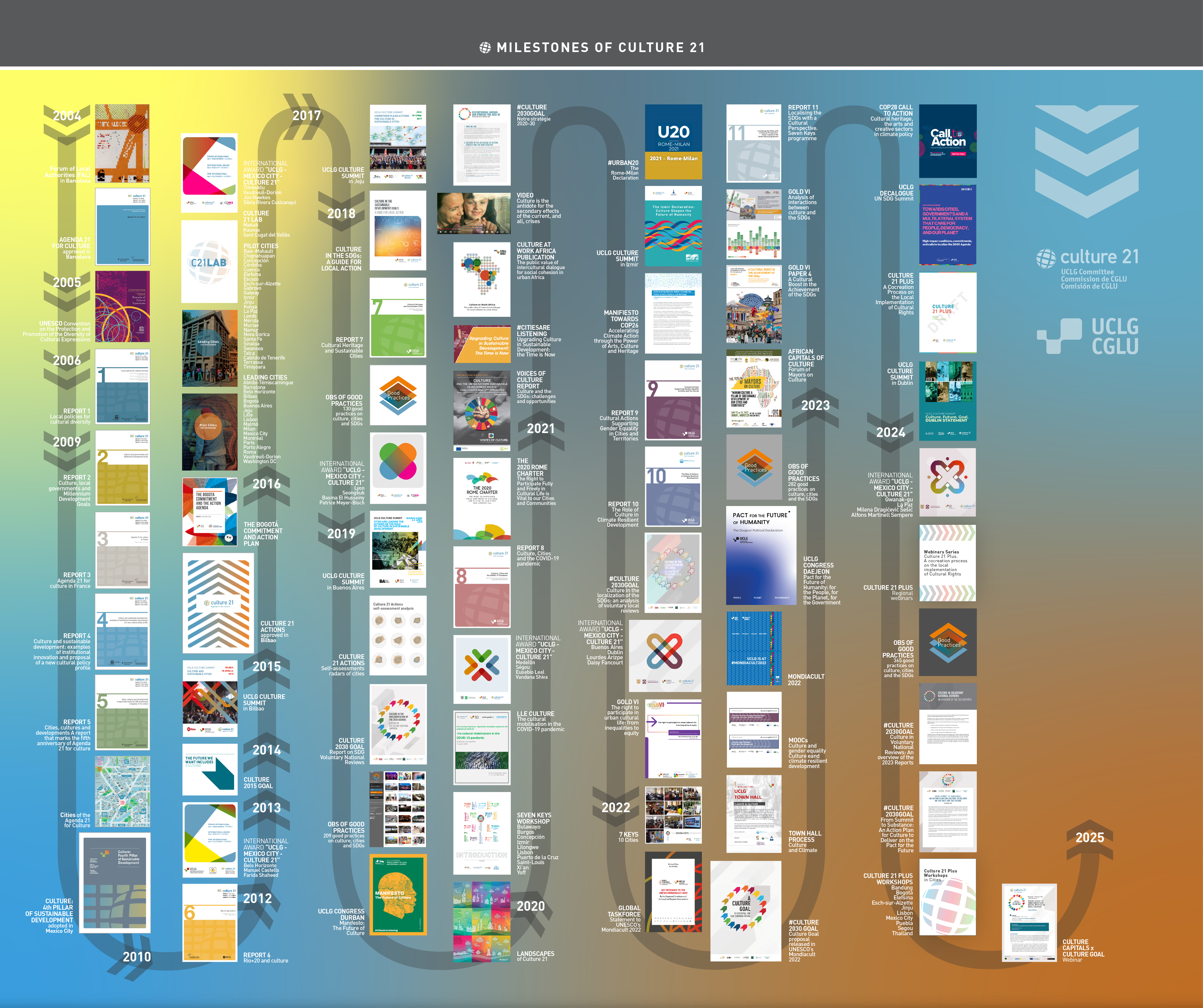
2025-2029

Imagen
2020-2024
Fletxa 2025

January. Organisation of Culture 21 Plus tests in the UCLG Eurasia and UCLG MEWA (Middle East and West Asia) regions.

February. 17-21 February, UCLG Annual Retreat & Campus in Barcelona.

Celebration of 22th the annual meeting of the Culture Committee on 27 February, online (see the report in this page).

March. Publication of the Committee’s contribution to the 7th Global Report on Local Democracy and Decentralisation (GOLD VII): “How cultural rights can enable practices of care”.

First Agora meeting of the Culture 2030Goal campaign, on 24 March, and implementation of the “Roadmap 2025” of the campaign.

April. Approval of the Culture 21 Plus, our global toolkit on Cultural Rights in Sustainable Development, at the UCLG Executive Bureau in Seville. 

May. Celebration of the 21th anniversary of the Agenda 21 for culture on 8 May, online. Release of this poster.

July. Global advocacy on the Culture Goal: #Culture2030Goal side-events in the context of the UN HLPF 2025.

Publication of the report “Culture in the 2025 Voluntary National Reviews: Culturally informed, culturally grounded, culturally powered”.

Launch of the document “The Culture Goal in brief”.

September. Organisation of the 6th UCLG Culture Summit in Barcelona. Release of the Statement “Culture is Always in the Answer” and the final report.

Culture2030Goal campaign: launch of the documents “The Culture Goal, from Necessity to Reality” and “The Analytical Report on the Culture Goal, its Targets and Indicators”, at the UCLG Culture Summit on 27 September 2025. 

Global advocacy on the Culture Goal: #Culture2030Goal side-events in the context of UNESCO’s Mondiacult 2025 (29-30 September and 1 October 2025).

Contribution to the Civic Agora, organised by the City Council of Barcelona, the Government of Catalonia, the Provincial Council of Barcelona and the Ministry of Culture of Spain 

December. Launch of the 7th edition of the International Award UCLG – Mexico City – Culture 21.

Agora meeting of the Culture2030Goal campaign, 11 December, online.

Addition of new good practices to the OBS of good practices.

New Working Group on Culture of LGMA in the framework of UNFCCC

WG on Culture LGMA

The UCLG Culture Committee is leading the newly created Working Group on Culture, which is part of the Local Governments and Municipal Authorities (LGMA) Stakeholder Group of the United Nations Framework Convention on Climate Change (UNFCCC).

The Working Group on Culture seeks to place culture and heritage within the climate agenda, recognising them as key drivers of climate action.

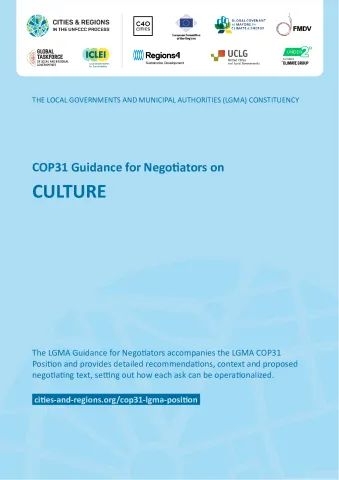
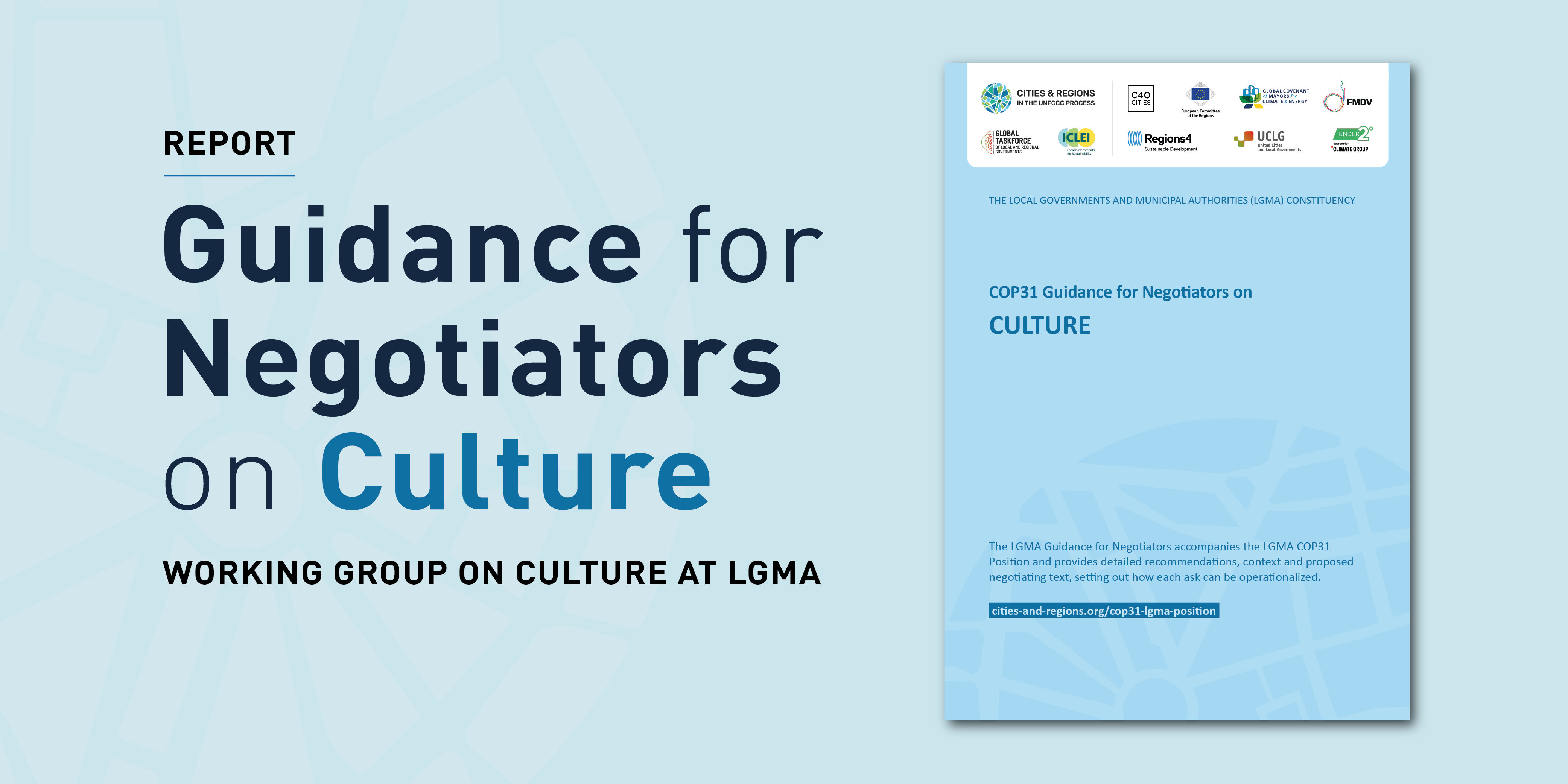
Ahead of COP31 in Antalya (2026), the Working Group has drawn up the Guide for Negotiators on Culture, available here.
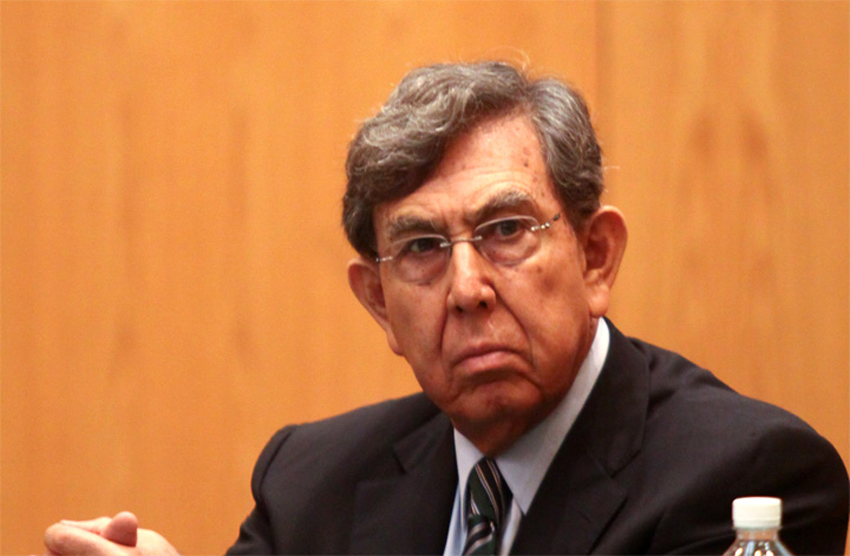
In memoriam Cuauhtémoc Cárdenas

Picture C Cárdenas

Engineer Cuauhtémoc Cárdenas was a pivotal figure for the UCLG Committee on Culture, providing leadership throughout his years as Coordinator of International Affairs for Mexico City (2012–2018). He played a fundamental, decisive role in the creation of our Award and served as president of the jury for its inaugural edition.

Born in Mexico City, he was the son of Lázaro Cárdenas, President of the Republic. He graduated as a civil engineer from the National Autonomous University of Mexico and enjoyed a long career in the political sphere. In 1997, Cuauhtémoc Cárdenas became the first Head of Government of Mexico City to be elected by popular vote. He leaves a profound mark in every role he held. May he rest in peace.

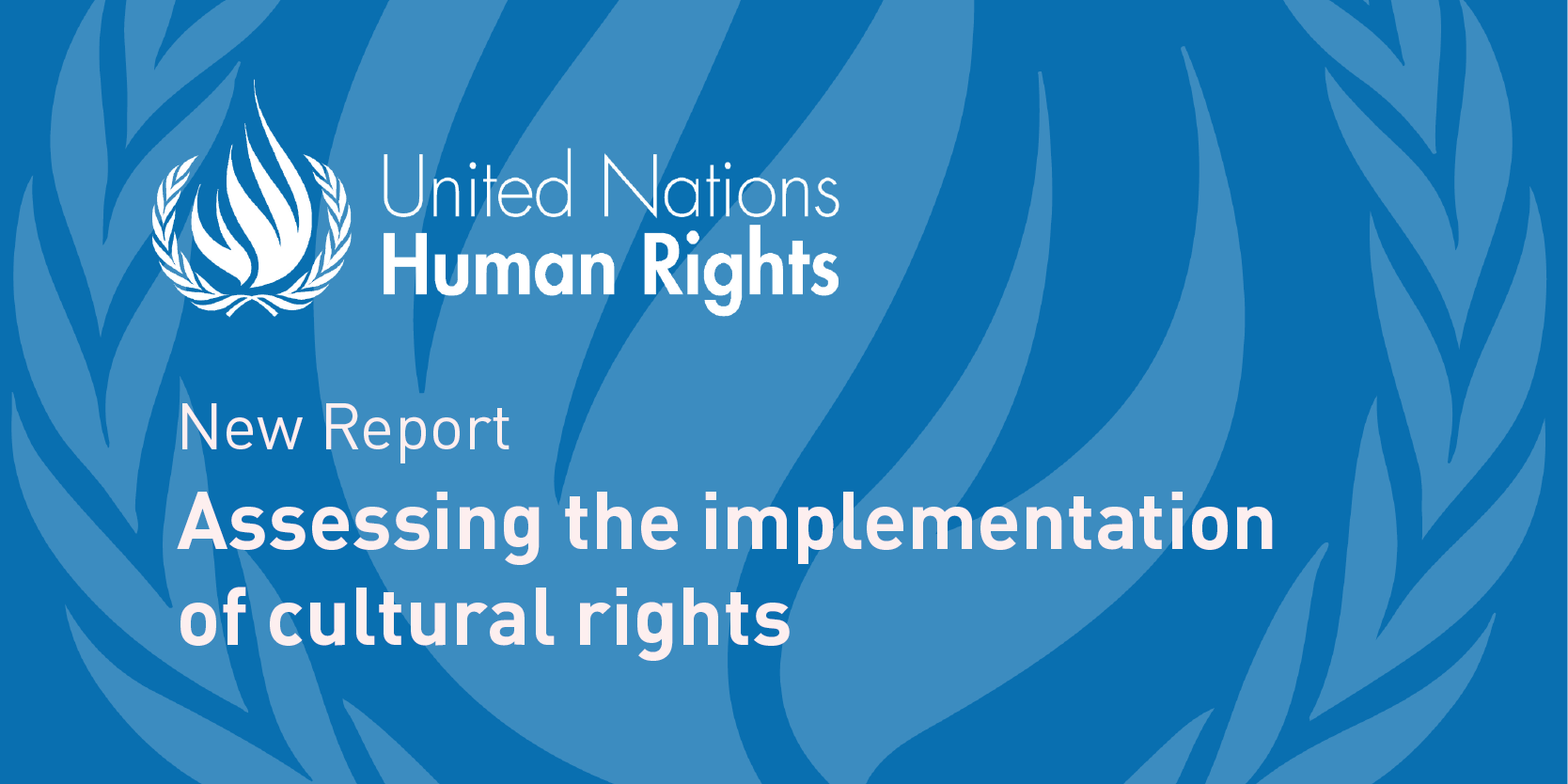
New report of the Special Rapporteur in the field of cultural rights, Alexandra Xanthaki

New report

The United Nations Special Rapporteur in the field of cultural rights, Alexandra Xanthaki, presented her new report “Assessing the implementation of cultural rights” to the General Assembly.

In the report, the Special Rapporteur in the field of cultural rights, Alexandra Xanthaki, puts forward a set of cultural rights indicators that will help States monitor the implementation status of cultural rights at the national level. These indicators are based on the current universal cultural rights standards, take into account similar initiatives at the international and national levels and are guided by the human rights indicators developed by the Office of the United Nations High Commissioner for Human Rights.

Access the new report here. 
 

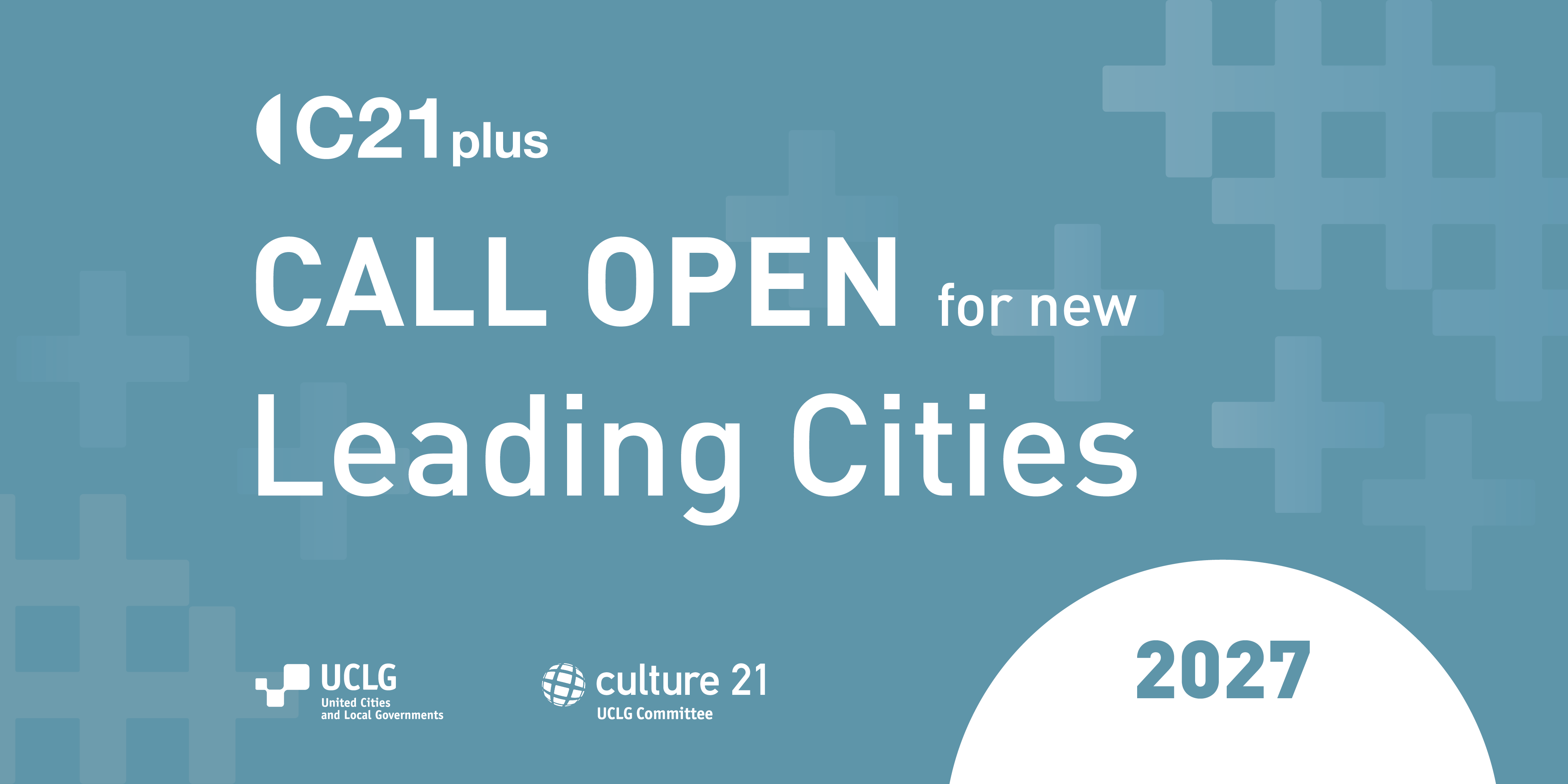
CALL LEADING CITIES: ENGAGE IN OUR ACTIVITIES FOR 2027

Open Call

Every year, the Committee on Culture of UCLG works with a group of local and regional governments in the framework of the Leading Cities programme. Together, we co-create cultural strategies and programmes based on the Culture 21 Plus frame and develop and test new modules adapted to local contexts.

Expressions of interest for 2027 are open until 30 November 2026.

We are looking for…?

What participating governments will get?

  • The involvement of the Secretariat of the Committee on Culture of UCLG.
  • A team of experts with experience in different regions of the world.
  • A peer-learning process with cities in a similar situation (see examples in Malmö, Barcelona and Mexico City).
  • Recognition as a Leading City of the Committee on Culture of UCLG.

Who can take part?

  • Local and regional governments from all regions of the world.

How to apply

Write to [email protected] before 30 November 2026 to express your interest or to ask for more information.

UNFCCC

Imagen
UNFCCC logotype (United Nations Framework Convention on Climate Change)

Working Group on Culture at LGMA

The UCLG Culture Committee is leading the newly created Working Group on Culture, which is part of the Local Governments and Municipal Authorities (LGMA) Stakeholder Group of the United Nations Framework Convention on Climate Change (UNFCCC).

The Working Group on Culture seeks to place culture and heritage within the climate agenda, recognising them as key drivers of climate action.

Ahead of COP31 in Antalya (2026), the Working Group has drawn up the Guide for Negotiators on Culture, available below.

Culture 21 Plus: Modules

Imagen
Modules

Culture 21 Plus Modules

Culture 21 Plus will be implemented through a set of modules, enabling participatory self-assessment, learning, and policy design and implementation.

Some of the modules foreseen at this stage are tailored to specific local contexts, meant to address specific policy challenges or conceived in collaboration with cities, regions and key partners of UCLG.

Modules are drawn from the core Culture 21 Plus framework and can be used independently. Some of the modules will be:

  • The Essentials
  • Extended
  • Culture and Gender Equality (coming soon)
  • Culture and Climate Change (coming soon)
  • Culture and Health and Wellbeing (coming soon)
  • Cultural Heritage (coming soon)
  • Culture, Freedoms and Technology (coming soon)
  • Rome Charter (coming soon)
  • Culture in Metropolitan Areas (coming soon)

This is an open, evolving list. We want to co-create it with you. We invite cities and partners to contact us to explore a tailored module for your specific needs.
 

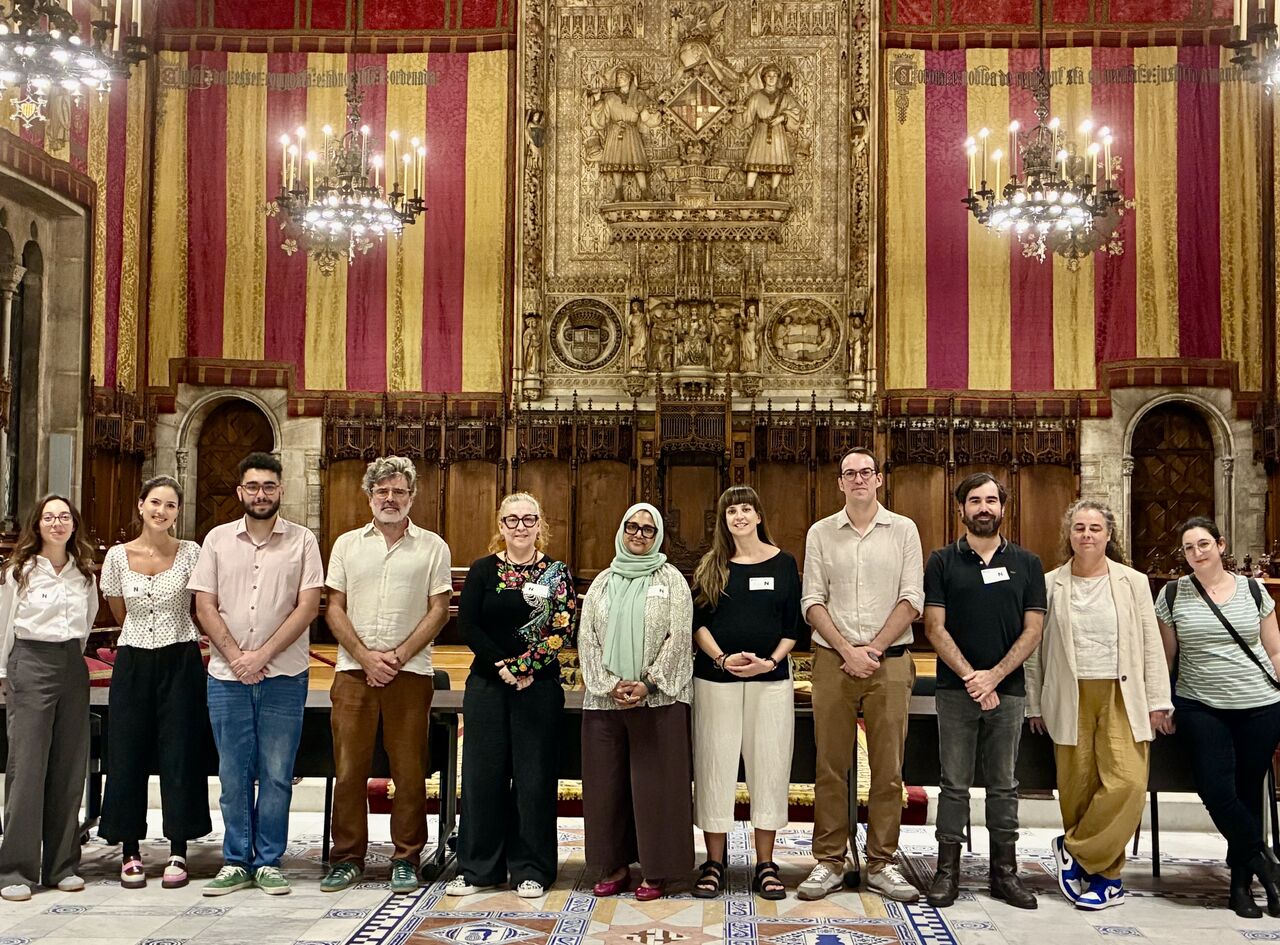
"Cultural Institutions as Guarantors of Human Rights in Contexts of Democratic Backsliding." Peer learning experience in Barcelona

Saló de Cent. Ajuntament de Barcelona

UCLG co-organised recently a peer learning experience on the role of cultural institutions in protecting human rights and democratic participation in Barcelona.

From 29 September to 1 October 2026, United Cities and Local Governments (UCLG), through its Committee on Social Inclusion, Participatory Democracy and Human Rights (CISDPDH) and its Culture Committee, joined Barcelona City Council in organising a three-day Peer Learning Experience in Barcelona with Manchester, Mexico City and São Paulo. Held under the theme “Cultural Institutions as Guarantors of Human Rights in Contexts of Democratic Backsliding,” the exchange explored how local governments and cultural institutions can contribute to protecting human rights, strengthening social inclusion and creating meaningful spaces for democratic participation.

The peer learning brought together local government representatives and cultural actors to examine how cities can respond to growing pressures on civic space, freedom of expression and social cohesion. Through institutional exchanges, site visits and a collective workshop, participants explored how cultural spaces can support rights-based local governance, inclusion and participation, while identifying mechanisms that can strengthen the resilience of local institutions and communities.

The experience will contribute to the development of a Survival Toolkit for Cultural Institutions and Local Governments, as well as further UCLG work on cultural autonomy and human rights in challenging democratic contexts.

The results of the peer learning will also contribute to Culture 21 Plus, the UCLG international framework for cultural rights launched by the UCLG Committee on Culture in collaboration with cities and network partners, and to modules currently being developed.

Read the news piece published by the Barcelona City Council, here (in Catalan) and here (in Spanish).

Read the post shared by the Barcelona City Council on LinkedIn here (in Catalan).

Read the news piece published by the UCLG Committee on Social Inclusion, Participatory Democracy and Human rights here.

The Final Report of the peer learning experience will be soon available.

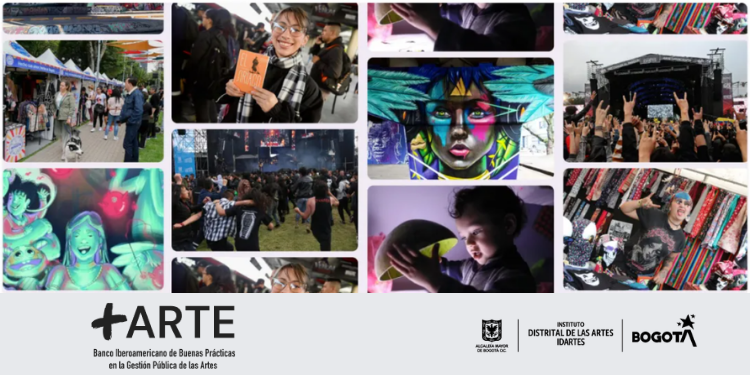
2nd Ibero-American Conference on Best Practice in Arts and Culture Management, +Art, +Culture

Good practices

The Mexican Government’s Ministry of Culture, the District Institute of the Arts (Idartes), the Ibero-American General Secretariat (SEGIB), the Organisation of Ibero-American States (OEI), the Culture Committe of United Cities and Local Governments (UCLG) and UNESCO are organising the 2nd Ibero-American Meeting on Good Practices in Arts and Culture Management, +Arte, +Cultura, an international forum that will bring together public institutions, multilateral organisations, local governments, indigenous leaders, academia, cultural managers, artists and civil society organisations to strengthen cooperation, the exchange of knowledge and the development of a shared agenda for cultural and artistic management in Ibero-America.

The meeting, which will take place on 26, 27 and 28 October 2026 in Mexico City, aims to consolidate a collaborative network amongst the region’s leading repositories of good practice and to promote the exchange of experiences that have demonstrated their impact at a local level. Over the course of three days, the conference will address contemporary challenges in cultural management, the role of the arts and culture in sustainable development, public innovation, community cohesion, digital transformation and the building of new partnerships to strengthen cultural policies with a local impact.

IBERO-AMERICAN DIPLOMA COURSE "THE ART OF BEING WELL"

Diplomado

The Secretariat of Culture, Recreation and Sport of Bogotá and the Organisation of Ibero-American States (OEI) are offering the Ibero-American Diploma Course ‘The Art of Being Well: Culture and Health for Well-being’ (in Spanish).

This diploma course is a 100 per cent free training programme aimed at professionals, managers, creative practitioners and public policy leaders in the culture, health and education sectors across the Ibero-American region.

Participants will learn about:

  • Global perspectives and policies on art, culture and health.
  • Case studies from Bogotá, Mexico City, Madrid and Argentina.
  • Inspiring projects from Brazil, Chile, Medellín and Lima.
  • Practical methodologies for designing projects in civic culture, health and wellbeing.

- Diploma course dates: October 2026 to February 2027.
- Enrolment open until 29 September 2026. The registration form is available here.
 

For further information, check out this file and follow this link. 

SHARE